
Markets covered: Philippines · Indonesia · Vietnam · Thailand · Malaysia · Cambodia
Quick Answer
Importing a used truck-mounted crane into Southeast Asia is legal in every major market — but none of them let you just ship it. Each country runs its own permit system with its own age ceiling: the Philippines exempts crane lorries from its used-vehicle ban, Indonesia caps permitted used imports at 20 years, Vietnam at 10, and Malaysia at 5 for normal imports. A new crane skips most of the paperwork but costs more upfront. Here is how the rules actually work, country by country.
Why Southeast Asia Still Buys Used Cranes — and Why the Rules Tightened
A used Japanese or European loader crane on a solid chassis can cost half of a new unit, which is why contractors across the region keep asking for them. The answer they get back is rarely a simple yes or no.
Southeast Asia runs on used-vehicle bans with narrow exemptions, not on open markets. Most governments tightened the rules over the last decade for two stated reasons: air pollution from old engines, and importers disguising cheap used cars as “machinery” to dodge high tariffs. Crane lorries survived the bans because construction and utility companies genuinely need them — but every country kept a different permit system, a different age ceiling, and a different enforcement style.
Getting this wrong is expensive. A used crane shipped without the right permit is not fined and released — it sits at port accruing storage, gets returned, or in Thailand’s case, is confiscated outright. The permit conversation happens before the shipping booking, not after.
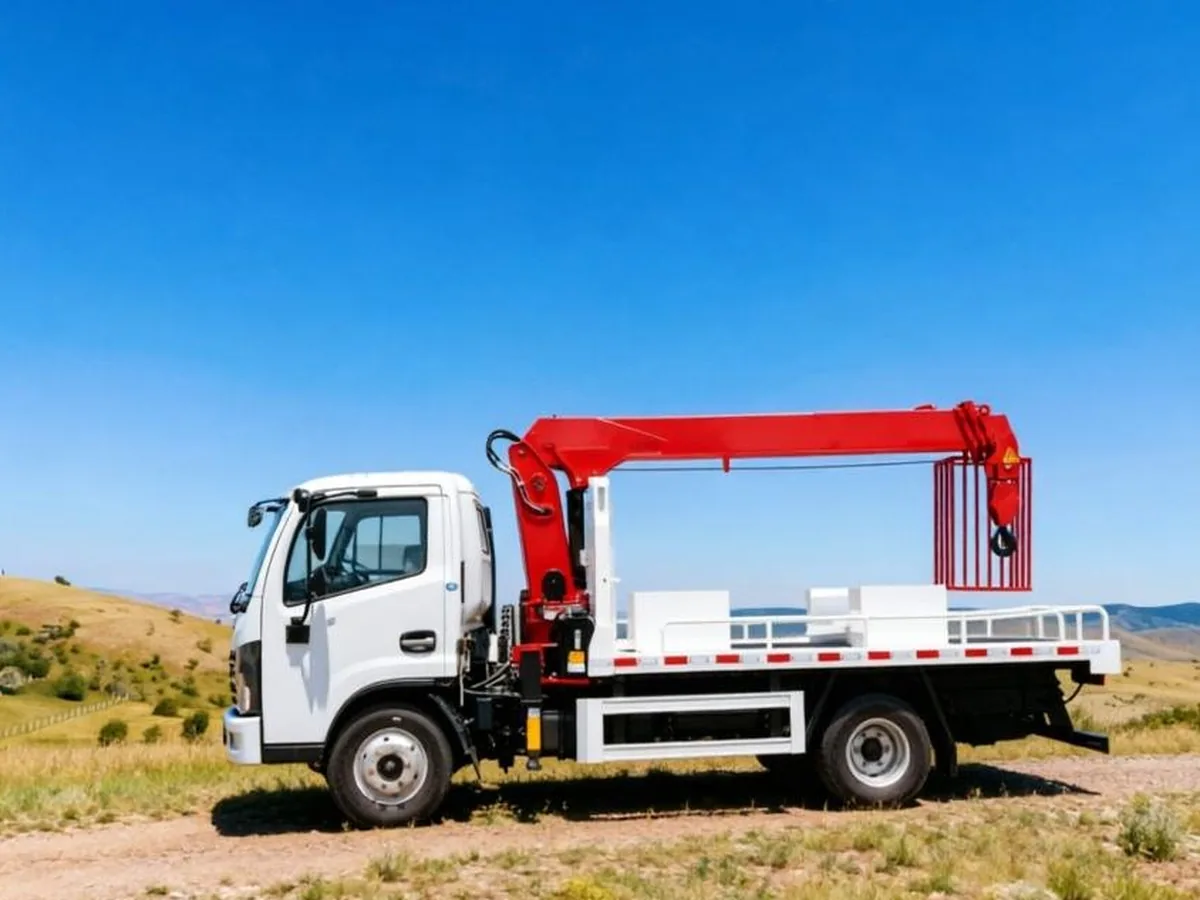
The Country-by-Country Matrix
| Country | Used truck-mounted crane status | Permit you need | Age ceiling | Practical takeaway |
|---|---|---|---|---|
| Philippines | Allowed under special-purpose exemption | NEDA / licensing for exempt crane lorries | None published for exempt categories | Works, but your broker must file the exemption case first |
| Indonesia | Restricted, case by case | API-P importer licence + import approval | 20 years | Consignee must hold API-P before booking |
| Vietnam | Allowed with inspection | Import licence + quality inspection | 10 years from manufacture | Age counted from manufacture date, not registration |
| Thailand | Allowed for construction cranes | Foreign Trade Department permit | None published | Personal-use vehicles banned; crane lorries explicitly exempt |
| Malaysia | Allowed with conditions | MITI Approved Permit (AP) | 5 years (normal import) | HS 8705 above 21 t GVW; DOSH verification separate |
| Cambodia | Self-use only | MOIC ICP permit (one shipment, one permit) | ~10 years norm; 8 for construction machinery | Trade resale rejected; pre-shipment inspection mandatory |
Now the details worth knowing behind each row.
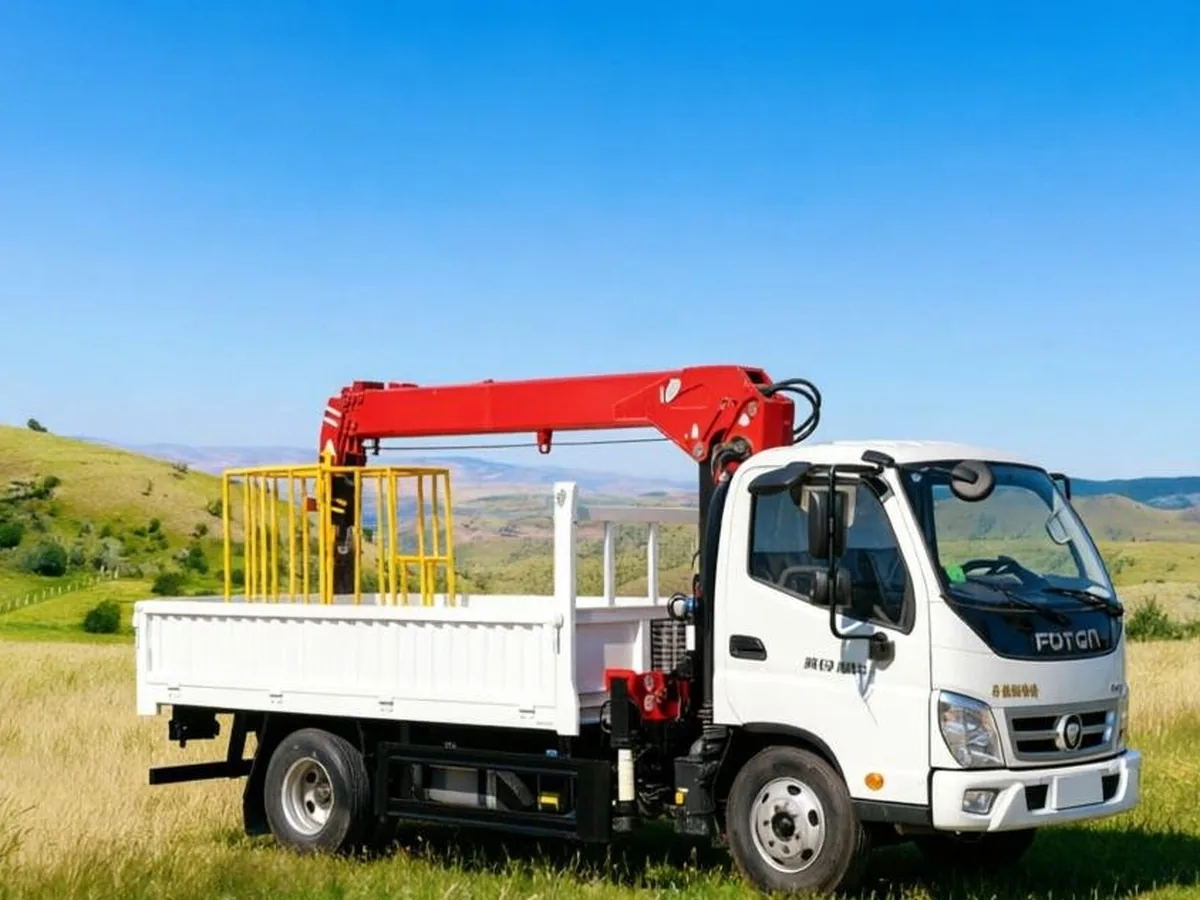
Philippines: The Ban With a Crane Loophole
Executive Order 156 is the reason used cars do not enter the Philippines. It bans the importation of used vehicles — but it carves out special-purpose vehicles, and crane lorries sit on the exemption list administered through NEDA’s periodic de-listing mechanism.
What that means in practice: a used truck-mounted crane can be licensed, but the exemption is not automatic. Your customs broker files the classification and the supporting documents proving the vehicle is genuinely a special-purpose crane lorry under the correct HS heading, and approval is decided per shipment. Misclassify it as an ordinary truck and it lands under the ban.
There is no published age ceiling for exempt special-purpose categories, but examiners look hard at condition. A 25-year-old unit with corroded structural members gives the examiner an easy reason to doubt the declaration.
Verify before you commit: the current exemption list status and your broker’s recent track record with used crane lorries specifically — the list is reviewed periodically and classifications get contested.
Indonesia: API-P First, Age Ceiling Second
Indonesia pairs an importer-identity rule with an age rule, and both bite.
The importer of record must hold an API-P (import identification number for producers/importers), and the shipment documents — bill of lading, invoice, permit — must line up with that identity. Under the current trade regulation framework (Minister of Trade Regulation 24/2025 replacing the earlier 2015 regime), used goods imports are tightly restricted, with special-purpose machinery handled case by case. Where a used import is permitted, the age ceiling runs to 20 years from manufacture.
The trap here is booking freight before the permit chain is set. Indonesian ports are strict about document alignment, and a used crane with mismatched consignee paperwork can sit at Tanjung Priok longer than the voyage took.
Fifty telescopic units we shipped into Indonesia went through this same permit chain — see the 50-set Indonesia order.
Verify before you commit: whether your specific crane configuration (crane mounted on used chassis vs used crane on new chassis) changes the classification — brokers treat those as different cases.
Vietnam: Ten Years, Counted From Manufacture
Vietnam allows used machinery and vehicles in the HS chapter 84–85 range under Decision 18/2019/QD-TTg, with a hard 10-year age ceiling counted from the date of manufacture — not from first registration, and not from export.
A truck-mounted crane classified under HS 8705.10 qualifies as a special-purpose vehicle in that range, so the practical test is simple: read the nameplate. If manufacture date plus ten years has passed, the shipment does not go through, regardless of condition or price.
Beyond age, used imports face quality and technical inspection before registration. Budget for that inspection and for the possibility that a borderline unit fails it.
Verify before you commit: the exact HS classification your broker will file — chapter 87 vehicle rules and machinery rules are applied differently depending on how the unit is declared.
Thailand: Banned for Cars, Explicitly Open for Cranes
Thailand is the clearest case of how these bans work. From December 10, 2019, the Commerce Ministry banned commercial import of used passenger vehicles — confiscated units are destroyed, and the fine is five times the import value. The same notification explicitly kept used cranes for construction businesses outside the ban, importable under a Foreign Trade Department permit.
The Foreign Trade Department processes import applications in roughly 25 days as a normal course. That is a planning number, not a formality: file before you book the vessel.
What Thailand does not publish is an age ceiling for used crane imports. Examiners apply condition-based judgment instead, which means an extreme-age unit is a negotiation, not a right.
Verify before you commit: the current permit category your broker files under, and whether any new notification has narrowed the crane exemption since 2019.
Malaysia: The Five-Year Rule and the Two-Gate System
Malaysia has the most structured system in the region, and two separate gates.
Gate one is MITI. Special-purpose vehicles including crane lorries (HS 8705, above 21 tonnes GVW) need a MITI Approved Permit, and under normal import the machine must be less than five years from manufacture. For some subheadings, MITI also expects a non-objection letter from a local crane manufacturer — an import-neutralisation step buyers routinely forget. Used imports additionally need a chassis-plate photo and an export certificate, documents a new unit never needs.
Gate two is DOSH. Lifting machinery needs design verification before it can legally operate, and DOSH applies its own five-year count for used portable lifting machinery. Satisfying MITI does not satisfy DOSH.
Over five years? There is a temporary-import route for genuine project work: the unit must be re-exported when the project ends and the licence renews every six months. That fits a contractor with one job, not a fleet owner buying to keep.
Verify before you commit: whether your HS subheading triggers the non-objection letter requirement — that letter can take longer than the AP itself.
Cambodia: Self-Use Only, Inspection at Origin
Cambodia allows used machinery imports on a strict self-use basis. The buyer must be a locally registered company, and the import permit (MOIC ICP) is issued one-shipment-per-permit, in roughly 10–15 working days. Pure trading resale applications are rejected.
Two rules do the damage. First, the age norm: around 10 years for general used machinery, and inspectors work to roughly 8 for heavy construction machinery, with a remaining-life assessment required for units in the 5–10 year band. Second, pre-shipment inspection (CCIC PSI) happens in the origin country, before shipping — there is no fixing it at the port of arrival, and units that fail are turned back.
With a FORM E ASEAN certificate of origin, industrial machinery duty runs at 0% with 10% VAT on top. Without it, expect single-digit duty percentages.
Verify before you commit: the inspection appointment logistics — PSI needs the unit cleaned, hydraulics drained of residual oil, and nameplate intact, which means coordinating with the seller’s workshop before the inspector arrives.
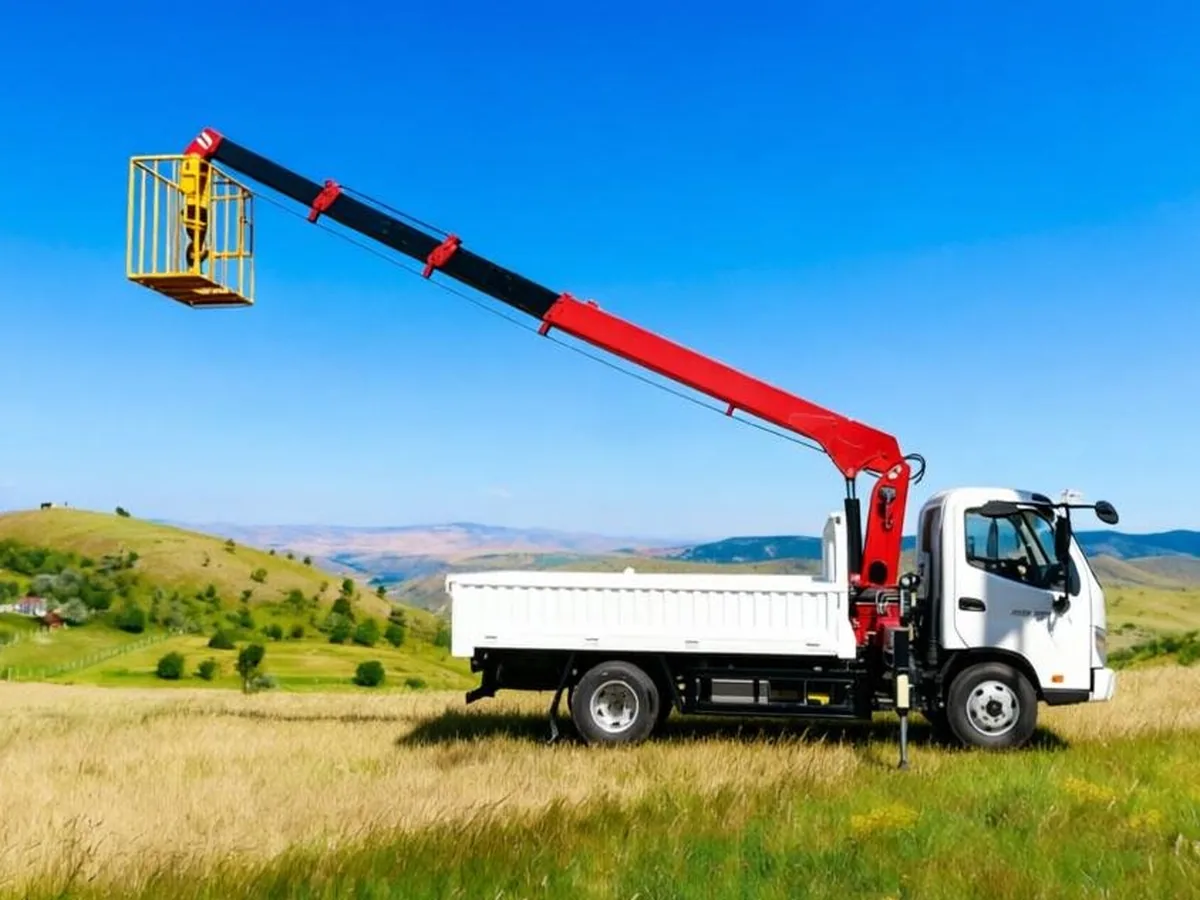
So: Used or New?
The permit decides less than buyers think. Every market above lets a used crane in somewhere — the real comparison is total cost over the holding period.
A used Japanese or European unit brings a lower purchase price and, often, a better operator cab. What it also brings: the age ceiling eating into remaining service life (a 10-year-old unit entering Vietnam has spent its whole allowance), unknown hydraulic hours, and parts sourced through discontinued channels. A new knuckle boom crane arrives with full load-chart documentation, factory support on seals and valves, and — for Southeast Asia specifically — no age ceiling to fight, because it is new.
Run the numbers per lift, not per unit. We built the framework for that in Crane Total Cost of Ownership: The Real 5-Year Cost per Lift — apply the used-crane inputs (permit cost, inspection cost, shorter amortisation window) and the gap between used and new narrows more than most buyers expect.
One more regional factor: chassis integration. Southeast Asia is predominantly right-hand-drive outside Indochina, and mounting a crane on a used local chassis raises the same PTO, subframe and clearance questions as a new build. If you are weighing bare-superstructure import against a complete unit, that comparison is covered in Knuckle Boom vs Stiff Boom Attachments in Southeast Asia. The two series themselves are here: knuckle boom loader cranes and telescopic boom truck cranes.
FAQ
Can I import a used truck-mounted crane into the Philippines?
Yes — crane lorries are on the special-purpose exemption list under EO 156, licensed per shipment through your broker. The exemption is not automatic; classification and documentation decide it.
What is the age limit for used cranes in Southeast Asia?
There is no single number. Vietnam: 10 years from manufacture. Malaysia: 5 years for normal import (temporary-import route beyond that). Indonesia: up to 20 where permitted. Cambodia: ~10-year norm, tighter for construction machinery. Thailand and the Philippines: no published ceiling, condition-based judgment instead.
Do I need the import permit before shipping, or can I clear at the port?
Before shipping, everywhere. Indonesia requires the API-P holder alignment, Cambodia’s PSI happens at origin, Thailand’s FTD permit takes ~25 days, and Malaysia’s AP plus DOSH verification are pre-arrival steps. Booking freight first is the most common expensive mistake.
Is a used Japanese crane cheaper than a new Chinese one?
The purchase price, usually yes. The five-year cost, often no — once permit fees, inspection, the shorter remaining-life window and parts uncertainty go into the per-lift calculation. The TCO framework walks through the inputs.
Check Your Market Before You Book the Vessel
Tell us the chassis you plan to mount on and the working tonnage you need, and we will come back with the crane specification, the HS classification to discuss with your broker, and a quotation — for new units or a fitment check on your planned used import. Send the enquiry with your destination country and we reply with what is actually importable there, not a generic catalogue. If the crane will run a grab or a basket from day one, say so in the same message — attachment fitment is checked with the crane spec: clamshell grab for lorry crane.