When choosing between an electric vs hydraulic truck-mounted crane, the decision hinges on your lifting capacity and duty cycle requirements. Electric cranes are highly cost-effective and eco-friendly for light, intermittent lifting (under 6,000 lbs) because they operate without idling the truck engine. Conversely, hydraulic cranes are mandatory for continuous, heavy-duty infrastructure projects. They utilize fluid pressure to deliver massive torque and unlimited duty cycles, making them the undisputed choice for the 15-30 ton capacity sweet spot. By 2026, the industry trend is merging the two: advanced “electro-hydraulic” systems are utilizing electric drives combined with high-strength hydraulic pumps to cut energy consumption by up to 62% while retaining maximum lifting power.
“Fleet managers shouldn’t have to choose between green efficiency and raw lifting power. At Terra Crane, our 15-30 ton models utilize military-grade dual-pump hydraulics, ensuring continuous heavy-duty cycles, while integrating with modern power-on-demand technologies to maximize ROI.” — Chief Engineer, Terra Crane
1. Electric Truck-Mounted Cranes: Pros and Cons
Electric cranes operate using 12-Volt or 24-Volt DC electric motors connected directly to the truck’s battery, eliminating the need for complex fluid systems.
The Advantages
- Engine-Off Operation: The most significant benefit of an electric crane is that it operates without the truck’s engine running. This saves diesel fuel, reduces vehicle wear, and eliminates exhaust emissions, making them ideal for indoor or noise-sensitive environments.
- Lower Acquisition & Maintenance Cost: Without the need to install a Power Take-Off (PTO), hydraulic pumps, or large fluid reservoirs, electric cranes have a lower upfront cost. Maintenance is simplified to checking electrical connections, without worrying about oil leaks or filter replacements.
The Limitations
- Strict Duty Cycle Limits: Electric motors generate intense heat under load. A typical DC electric crane has a limited duty cycle—often maxing out at 5 minutes of continuous use followed by 25 minutes of cool-down time. Exceeding this will burn out the motor.
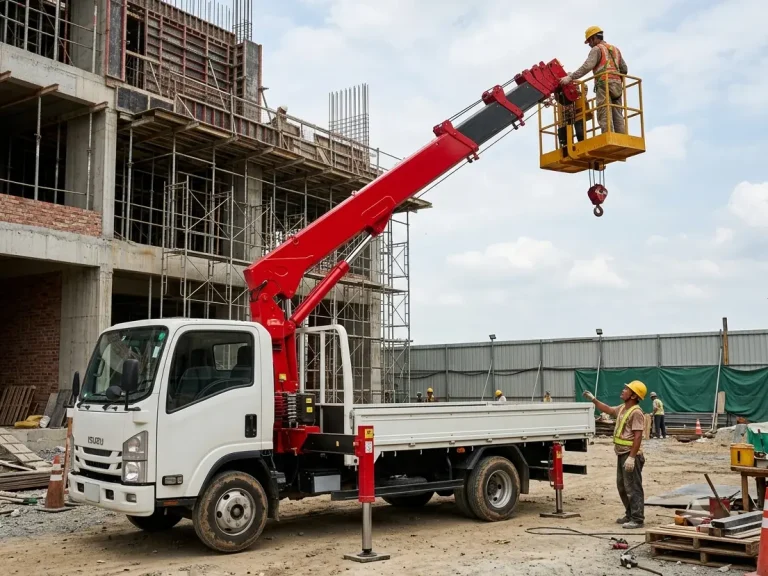
- Capacity Ceiling: Because of electrical power constraints, these cranes are generally restricted to a maximum lifting capacity of 6,000 lbs (approx. 3 tons).
2. Hydraulic Truck-Mounted Cranes: Pros and Cons
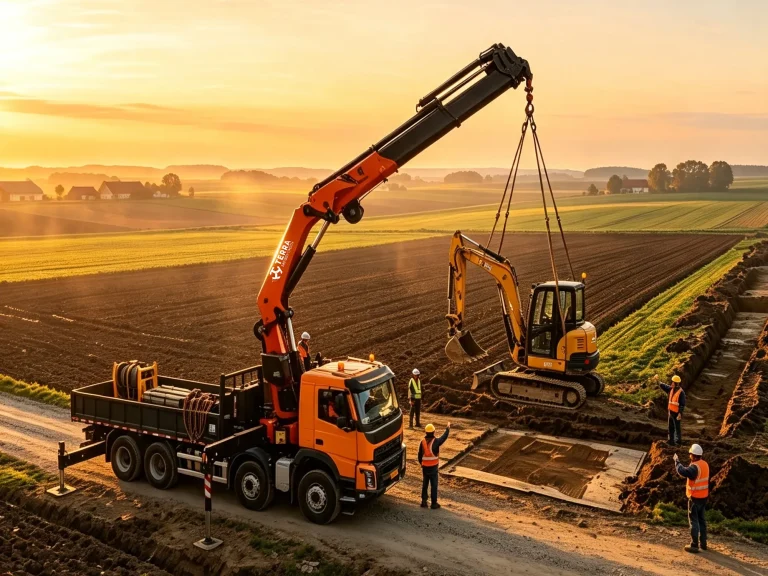
Hydraulic cranes rely on fluid power driven by a PTO connected to the truck’s transmission, making them the powerhouse of the construction and mining industries.
The Advantages
- Continuous Heavy-Duty Cycles: Unlike electric motors, hydraulic systems do not overheat during sustained operations (especially when equipped with oil coolers). They are designed for continuous, back-to-back lifting cycles all day long.
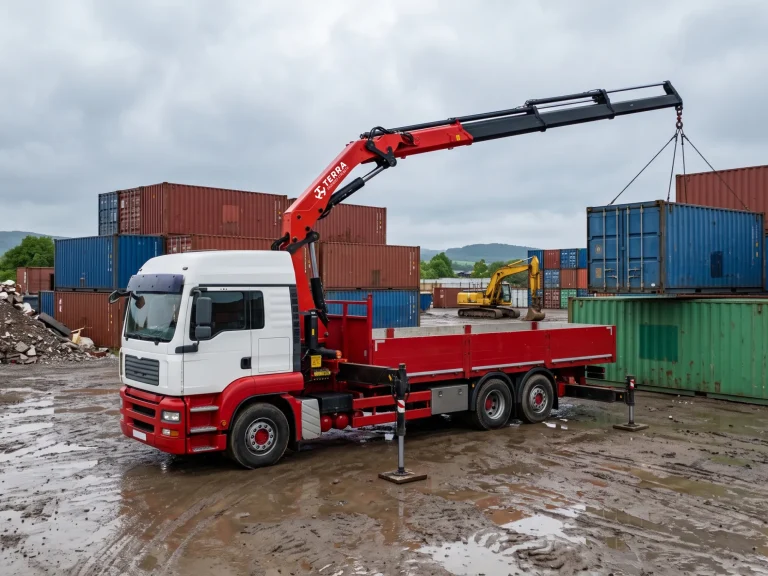
- Massive Lifting Capacity: Hydraulic fluid under pressure can generate immense torque. Hydraulic truck-mounted cranes easily handle capacities from 6,000 lbs up to 14,000 lbs in light trucks, and seamlessly scale to the 15-30 ton (10-30 MT) sweet spot for heavy infrastructure fleets.
- Faster and Smoother Operation: Hydraulic flow allows for infinitely variable speed control, meaning faster winch speeds and millimeter-precise load placement without shock loading.
The Limitations
- Engine Idling Required: The truck’s engine must be running to power the PTO and hydraulic pump, which increases fuel consumption and emissions during operation.
- Higher Maintenance Complexity: Fleet managers must perform routine maintenance on hydraulic fluid, hoses, and seals to prevent costly environmental oil spills and pressure drops.
3. 2026 Industry Trends: The Rise of Electro-Hydraulics
The modern heavy industry is moving away from the binary choice of “pure electric vs. pure hydraulic.” To meet stringent 2026 emission standards without sacrificing the lifting power required for heavy materials, the industry is adopting two major technological shifts:
- Self-Contained Electro-Hydraulic Cylinders (SCC): Research shows that replacing traditional central hydraulic power units with self-contained electro-hydraulic actuators can yield up to 62% in energy savings. These systems operate on a “power-on-demand” basis, recovering up to 20% of consumed energy during lowering phases.
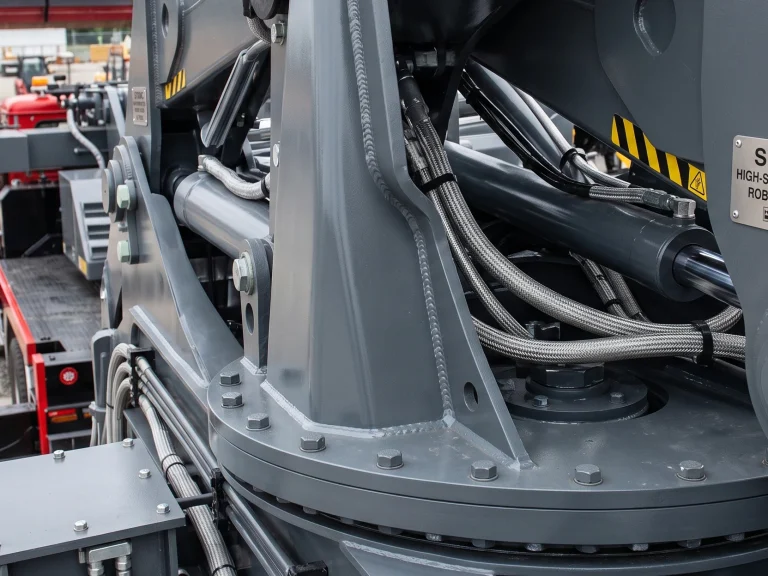
- Independent Metering & Dual Pumps: To eliminate the energy wasted by traditional control valves, next-generation cranes are adopting independent metering (Servo Meter-In Meter-Out). High-end manufacturers like Terra Crane utilize high-strength HG70 steel combined with military-grade dual hydraulic pumps. This variable-displacement setup provides massive pressure even at low engine idle, maximizing fuel efficiency and delivering precise micro-movements.
Are you ready to equip your fleet with the optimal lifting solution? Contact Terra Crane today for a Custom Chassis Sizing Consultation and discover how our advanced 15-30 ton hydraulic systems deliver the ultimate Return on Investment.